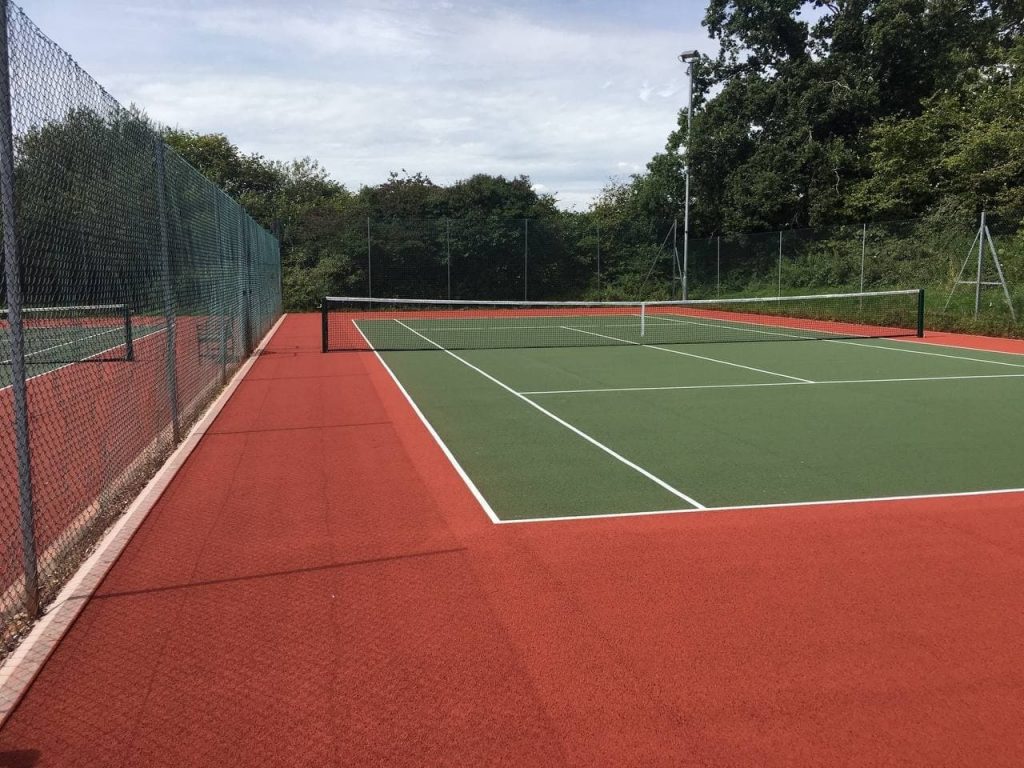
A well-maintained tennis court provides a consistent playing surface, reliable ball bounce and a safer environment for players. However, regular use and exposure to changing weather conditions can gradually affect the court’s condition. Small defects may initially seem harmless, but if left untreated, they can develop into more significant problems that affect playability and the lifespan of the surface.
For tennis court owners and facility managers across the UK, recognising the early signs of deterioration is essential for keeping a court in good playing condition. Knowing when professional repairs are needed can help prevent further damage and ensure the surface continues to meet the needs of players.
What Are the Signs That a Tennis Court Needs Professional Repairs?
Not every surface imperfection requires extensive work, but certain warning signs indicate that a court should be assessed by a specialist. The type of damage, its location and whether it is getting worse will help determine the most appropriate repair.
1. Cracks Appearing Across the Playing Surface
Cracks are among the most noticeable signs that a tennis court may need attention. They can develop because of ground movement, changes in temperature, water penetration or deterioration of the existing surface.
Even narrow cracks can become wider over time, allowing moisture to enter and potentially weakening the surrounding material. Cracks may also affect ball bounce and create uneven areas that interfere with play.
Professional assessment can help establish whether the damage is limited to the surface coating or linked to movement in the underlying base. Identifying the cause is important because simply filling a crack may not provide a lasting solution if the underlying issue remains unresolved.
2. Standing Water After Rainfall
Some moisture may remain on a court immediately after heavy rain, but persistent puddles can indicate a drainage or surface-level problem.
Standing water can restrict court use and contribute to the gradual deterioration of certain surface materials. It may also encourage the growth of algae in areas that remain damp for extended periods.
If water repeatedly collects in the same locations, a professional inspection can determine whether the problem relates to blocked drainage, an uneven surface or inadequate falls. Addressing the underlying cause is generally more effective than repeatedly clearing the water without investigating why it accumulates.
3. Uneven Areas and Inconsistent Ball Bounce
A tennis court should provide a reasonably consistent playing surface. If the ball bounces unpredictably in particular areas, there may be depressions, raised sections or deterioration beneath the surface coating.
These changes can develop gradually, making them difficult to notice until they begin affecting play. Uneven areas can also create trip hazards, particularly when players are moving quickly to reach the ball.
Professional repairs can restore the affected areas and help establish whether the unevenness is caused by surface wear or a problem with the underlying construction.
4. Peeling, Fading or Worn Surface Coatings
Surface coatings help protect the court and provide the playing characteristics expected from the chosen surface type. Over time, they can fade, wear thin or begin to peel, particularly in heavily used areas.
Visible colour loss alone does not necessarily mean repairs are required. However, flaking material, exposed base layers or widespread wear may indicate that the surface is no longer adequately protected.
A specialist can assess whether localised resurfacing is sufficient or whether a larger section requires attention. Choosing the appropriate treatment helps maintain a consistent finish and avoids applying new coatings over an unsuitable or deteriorating surface.
5. Loose or Damaged Court Lines
Court lines need to remain clearly visible and securely bonded to the playing surface. If painted lines fade significantly, peel away or become difficult to distinguish, they can affect the clarity of the court markings.
The appropriate repair depends on the existing surface system. Some courts may require line repainting, while others need damaged sections repaired before new markings can be applied.
A professional can ensure that the lines are restored clearly and accurately without compromising the surrounding playing surface.
6. Moss and Algae Growth
Damp areas of a tennis court can encourage moss and algae, particularly where drainage is poor or the surface does not dry efficiently.
Besides affecting the court’s appearance, biological growth can make the surface slippery and increase the risk of players losing their footing. Repeated growth in the same area may also indicate a drainage or maintenance issue that needs investigation.
Professional cleaning and treatment can help restore the surface, while an inspection can identify whether underlying drainage problems are contributing to the growth.
Why Should Tennis Court Repairs Be Carried Out Promptly?
Delaying necessary repairs can allow small defects to spread, potentially affecting larger sections of the court. A minor crack may widen, standing water may continue to damage the surface, and worn coatings may expose the underlying construction to further deterioration.
Early assessment helps establish the extent of the problem and whether a targeted repair, resurfacing or more extensive work is appropriate. It can also reduce unnecessary disruption by ensuring that the repair method suits the court’s construction and condition.
When Is Professional Repair Better Than Routine Maintenance?
Routine maintenance, including appropriate cleaning and regular visual checks, helps keep a tennis court in good condition. However, maintenance cannot resolve every defect.
Cracks that continue to return, persistent drainage problems, significant unevenness and widespread surface failure usually require professional investigation. Attempting to treat these issues without identifying their cause may only provide a temporary improvement.
A specialist can assess the surface, drainage and underlying structure where accessible, then recommend work suited to the court’s needs.
Conclusion
Cracking, standing water, uneven ball bounce, worn coatings, damaged lines and persistent moss or algae can all indicate that a tennis court needs professional attention. Recognising these signs early helps protect the playing surface, maintain consistent performance and reduce the risk of more extensive deterioration.
If your tennis court is showing signs of damage or no longer provides a consistent playing experience, Tennis Court Construction Portsmouth can help assess its condition and identify suitable repair options. Contact us to discuss your tennis court repair requirements and keep your court in good playing condition.
Call us on: 023 9431 1394
Click here to find out more about Tennis Court Construction Portsmouth
Click here to complete our contact form and see how we can help with your courts needs.